Training

Training built around the athlete

Every program is customized to the athlete’s sport, goals, and individual needs. Here’s what we work on — and how it fits together.

No templates

Every athlete has different needs

A sophomore outfielder, a college linebacker, and a high school soccer player need different things. Programs start with understanding where the athlete is today — their sport, position, experience, and goals — and focus on the areas that will make the biggest difference.

The services below aren’t separate packages. They’re the building blocks of a program, combined and balanced for each athlete.

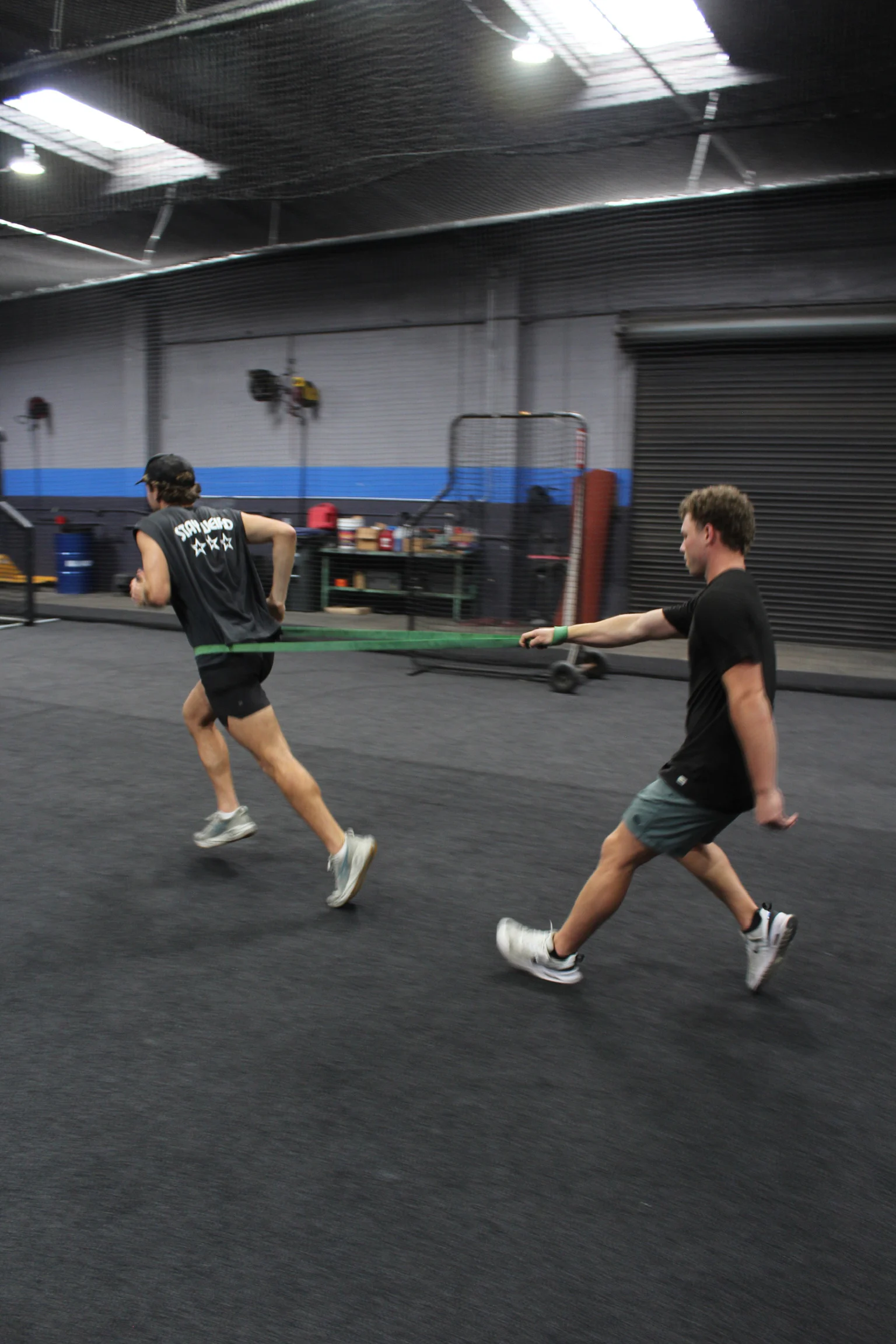
Jarrod Hocking holding a resistance band as an athlete sprints forward on indoor turf

01

Speed Training

Sprint mechanics, acceleration, explosive power, and change-of-direction ability — taught through structured drills, progressive training, and competitive challenges.

Why it matters
Speed is more than running in a straight line. Athletes need to accelerate, decelerate, change direction, and produce explosive movements — often in the first few steps of a play.
Who it helps
Athletes who want a quicker first step, cleaner sprint technique, or better ability to stop and redirect — from base runners and outfielders to receivers, defensive backs, and field and court athletes.
How it fits
Speed work is paired with strength and mobility so athletes have the force, range of motion, and control to move fast efficiently.
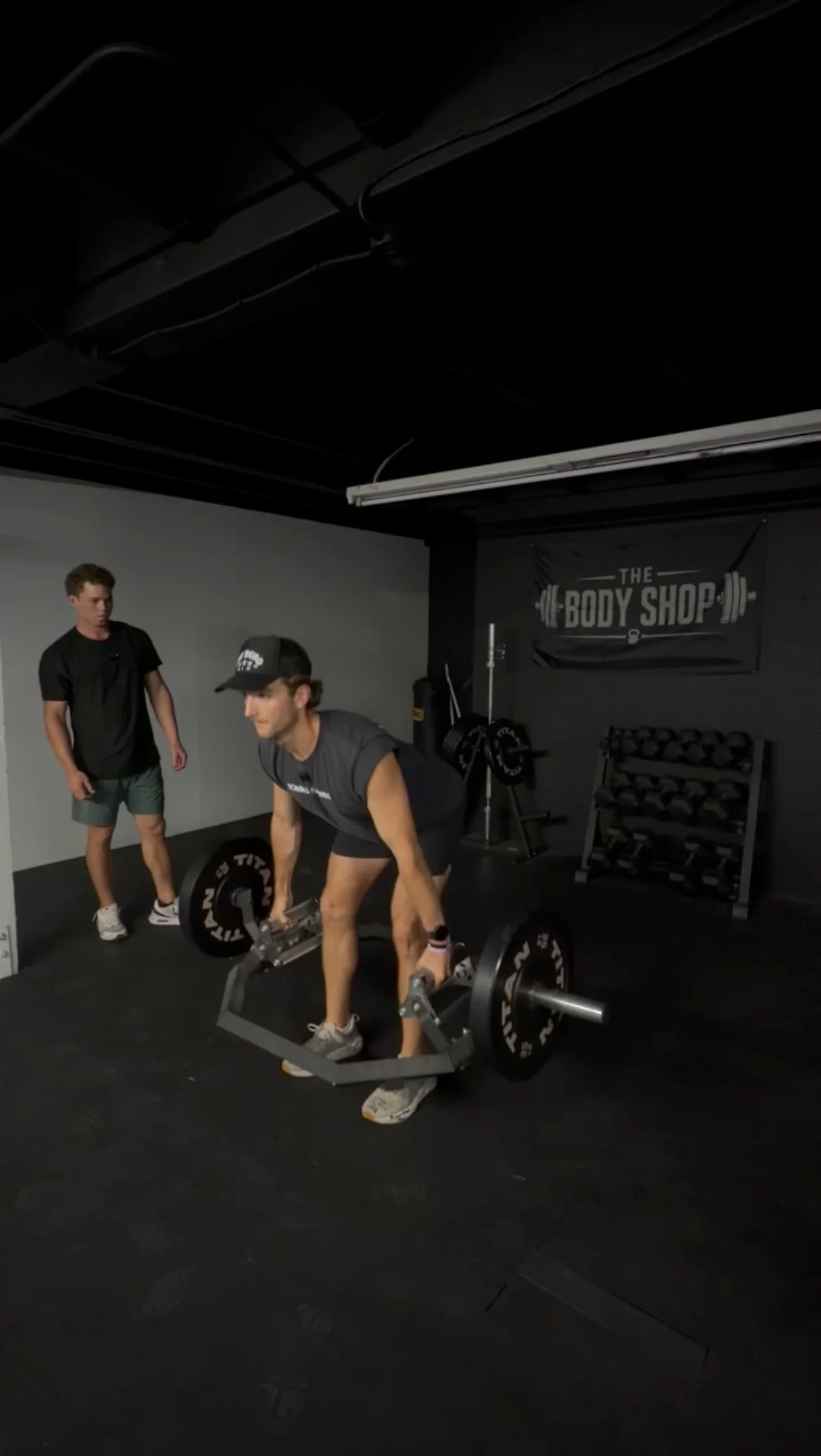
An athlete performing a trap bar deadlift while Jarrod Hocking watches his technique

02

Strength & Power

Proper movement mechanics, full-body strength, and power development. Athletes learn fundamental movement patterns and build strength progressively.

Why it matters
Strength is the foundation for speed, explosiveness, and the physical demands of competition. Strength training is about more than lifting heavier weights — it is about moving well under load.
Who it helps
Athletes who are new to the weight room and need a safe, well-coached start, as well as experienced athletes looking to keep building strength and power for their sport.
How it fits
Strength is built in step with an athlete’s age, experience, and goals, creating a foundation for long-term development rather than short-term numbers.
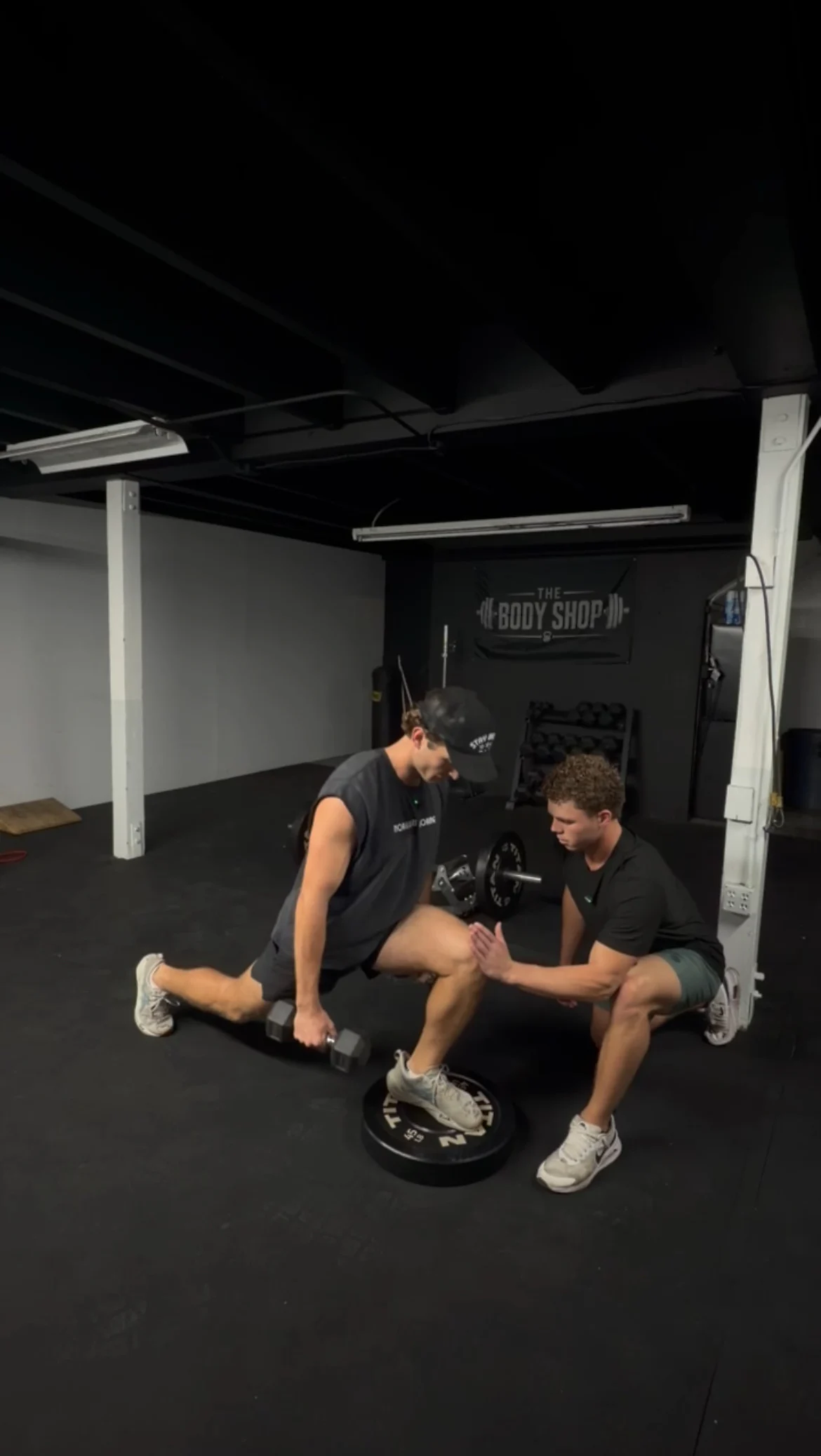
Jarrod Hocking kneeling beside an athlete and coaching his position during a split squat

03

Mobility & Stability

Range of motion, joint control, balance, and stability — the qualities that let athletes move efficiently and hold good positions.

Why it matters
Athletes who move well can express their strength and speed more effectively. Appropriate strength, stability, and mobility training can help athletes develop physical qualities associated with a reduced risk of injury. No program can eliminate injuries, but better movement gives athletes a stronger foundation.
Who it helps
Athletes who feel tight or restricted, who struggle to hold positions in their sport, or who simply want to move better and more consistently.
How it fits
Mobility and stability work is built into every program alongside strength and speed training, not treated as an afterthought.
A female athlete performing a landmine exercise while Jarrod Hocking coaches

04

Athletic Development

A combination of strength, speed, mobility, and conditioning as appropriate for the athlete’s sport — along with the habits, work ethic, and competitiveness that drive long-term progress.

Why it matters
Well-rounded athletes are better prepared for the demands of their sport and for the next level. Development goes beyond the field or the weight room.
Who it helps
Younger high school athletes building a foundation, multi-sport athletes, and any athlete who wants to become stronger, faster, and more confident overall.
How it fits
Athletic development ties every part of training together into one plan, adjusted as the athlete grows and their goals change.
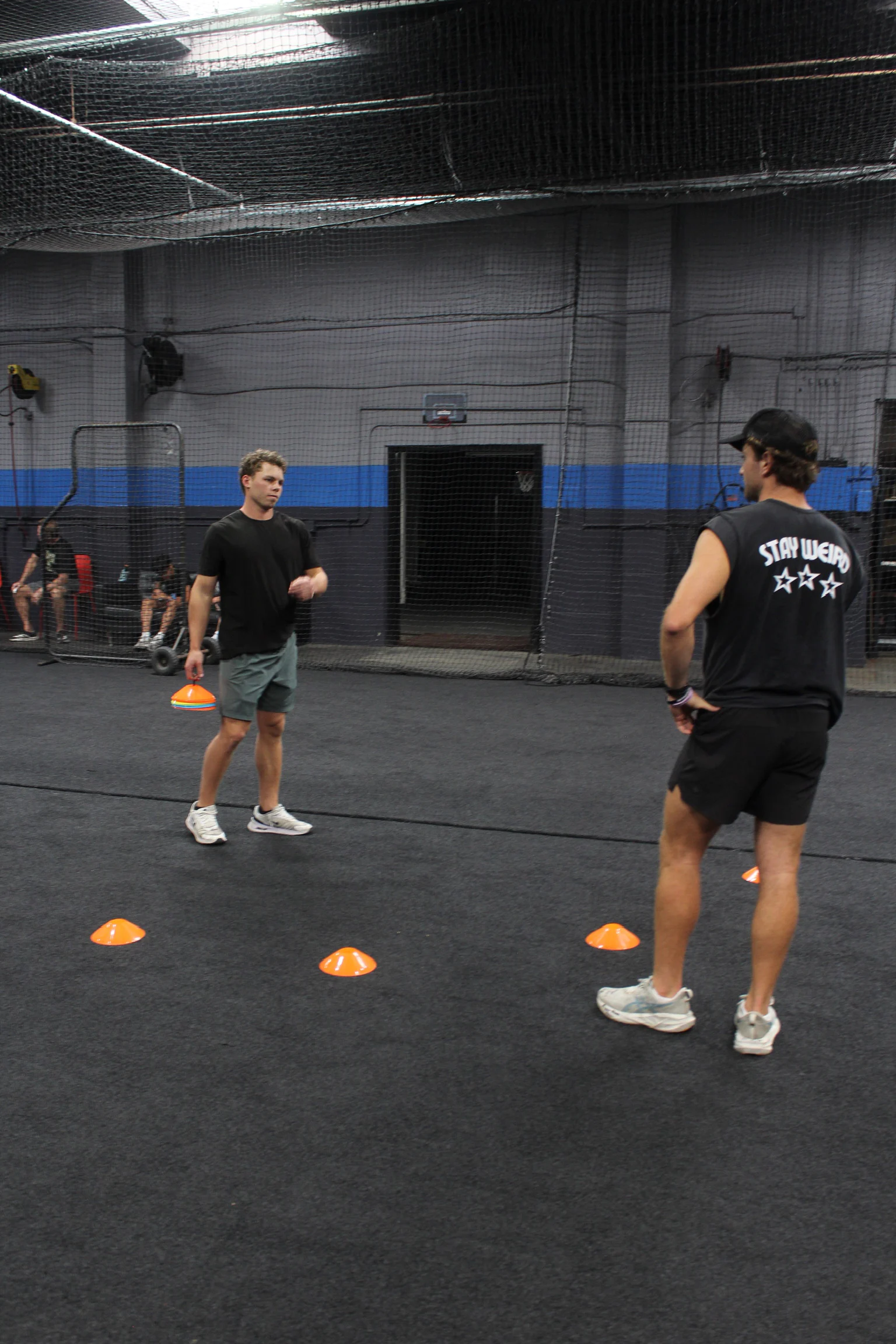
Jarrod Hocking coaching an athlete through a cone drill on indoor turf

05

Sport-Specific Programming

An individualized program based on the athlete’s sport, position, goals, physical needs, and areas for improvement.

Why it matters
Every athlete has different strengths, weaknesses, and goals. Training is most effective when it is built around what will make the biggest difference for that athlete in their sport.
Who it helps
Every athlete I train. Programming starts with understanding where an athlete is today and identifying what matters most for their sport.
How it fits
Sport-specific programming is the framework for everything else — it decides how speed, strength, and mobility work are balanced for each athlete.

Sports

Specializing in baseball and football

Baseball and football are my primary specialties. Training for every athlete is shaped by the physical demands of their sport.

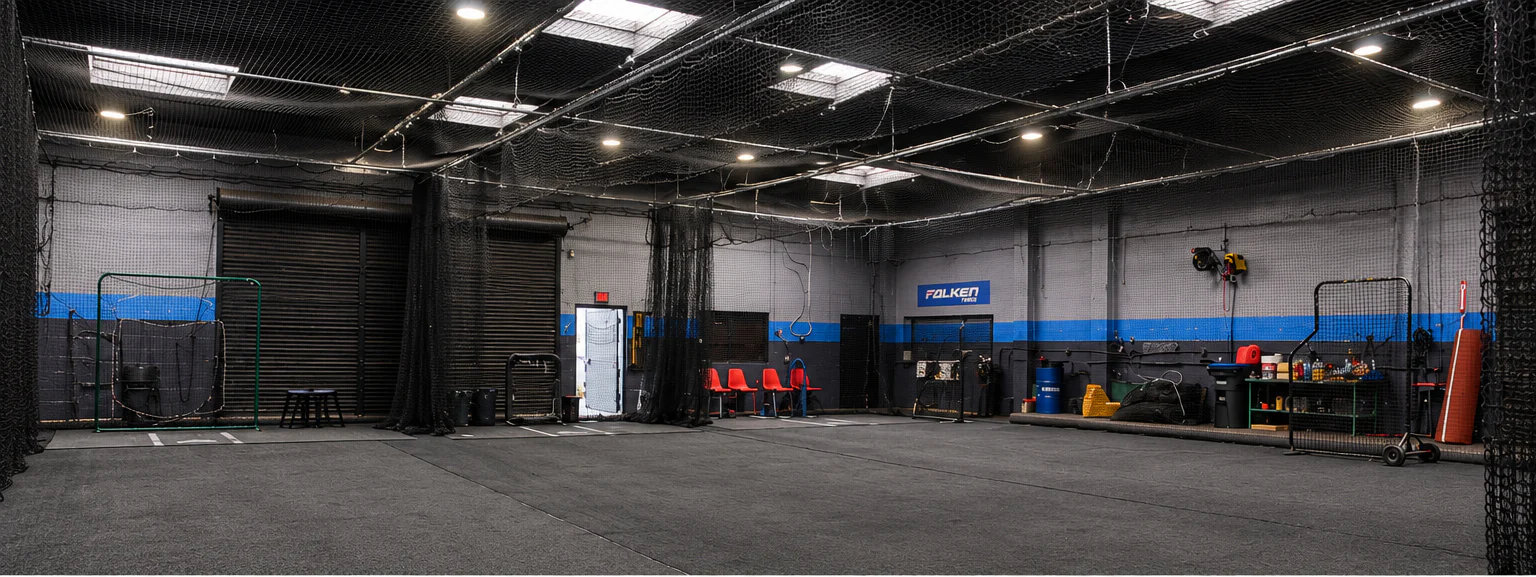
Indoor turf training area with batting cages

Baseball

As a former UCLA baseball player, I know the physical demands of the game firsthand. Baseball rewards athletes who can produce rotational power, move explosively over short distances, and repeat high-effort movements over a long season.

  • Rotational power for hitting and throwing
  • Acceleration out of the box, on the bases, and in the field
  • Strength to support powerful, repeatable movement
  • Mobility and stability through the hips, trunk, and shoulders
  • Overall athletic development for players at every position
Jarrod Hocking coaching an athlete through a cone drill

Football

Football demands speed, strength, and the ability to change direction under control — play after play. Training prepares athletes for the physical side of the game, built around their position and goals.

  • Acceleration and first-step quickness
  • Strength to compete physically at the line and in space
  • Explosiveness off the ground and out of a stance
  • Change of direction — decelerating, cutting, and re-accelerating
  • Physical preparation for the demands of the season
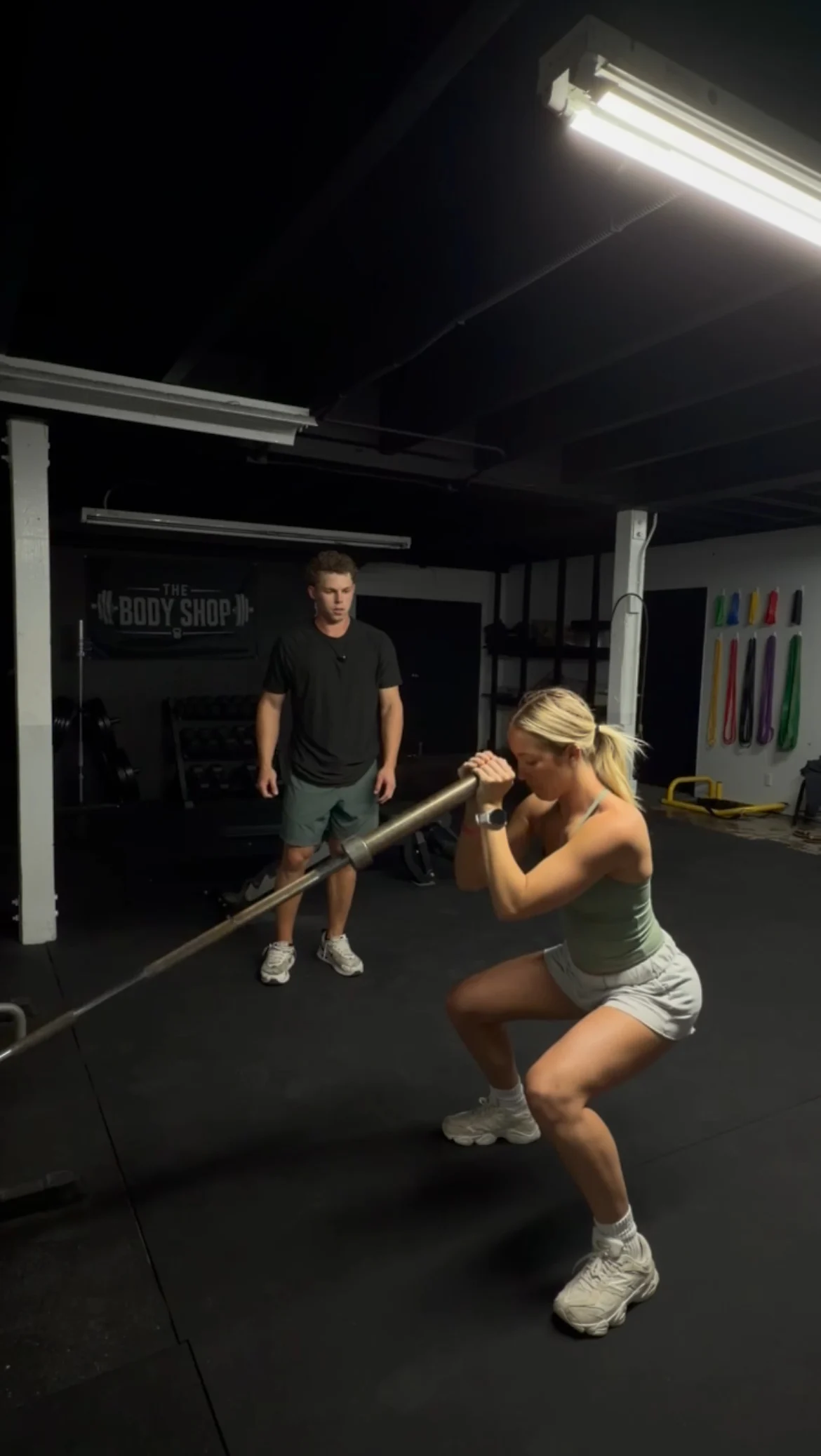
A female athlete training with a landmine bar while Jarrod coaches

Every sport. Male and female athletes.

Training isn’t limited to baseball and football. I work with male and female athletes across sports who want to become stronger, faster, and more well-rounded. Speed, strength, mobility, and athletic development transfer to every sport — the program is built around yours.

Tell me about your sport

Getting started

How to get started

  1. Reach out

    Send a training inquiry with the athlete’s sport, school level, and goals. Parents are welcome to reach out on their athlete’s behalf.

  2. Talk it through

    I’ll follow up to learn more about the athlete — where they are now and what they want to improve.

  3. Start training

    Training is built around the athlete’s needs, and adjusted as they progress.

Athletes & parents

Ready to get started?

Tell me about the athlete — their sport, their goals, and where they are now. I'll follow up to talk through what training could look like.